



Archives


You are the problem AND the solution
When you change the way you look at things, the things you look at change.

The other moral to your same old story
I have used the evenings of the month of August to pull together this draft of a business fable. In fact, this fable is my way of coping with the ambiguity of workplace dynamics and games people play.
Parenting as a Management Skill … Huh? (part 6)
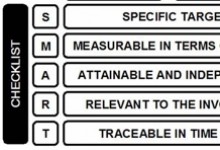
Parenting is the ideal litmus test to see if your brilliant ideas as a leader will eventually survive. Goal setting is a great example. Parents know that goal setting only works when the goals are set as a result of a conversation.
The 6 big concerns of change
Pat Zigarmi underscoring why involvement of your target audience is the single factor determining the success of your organizational change endeavor.

Parenting as a Management Skill … Huh? (part 5)
We don’t need to attend the courses of prestigious business schools in order to discover the essence of change management.

Quality Time is a Lie
Crushed by the sadness of an illusion that evaporates. Quality time is a lie. And everything else that is based on this idea is falling apart.

The Anatomy of an Apology
I am currently reading The Manager’s Book of Decencies – How Small Gestures Build Great Companies, by Stephen Harrison. Actually, it is more a field guide than a book, because it’s packed with real-life examples of decencies that result in major business impact, and that you can put to use in your company. Examples include: […]

Parenting as a Management Skill … Huh? (part 4)
Perhaps the hardest lesson of all for managers is that women outperform men – by default – when it comes to managing a day-in-the-life-of.

Parenting as a Management Skill … Huh? (part 3)
Building further on the insights of child development, there is another fundamental leadership characteristic that one will never learn at Harvard, but only in the day-to-day family-life: it is the importance of setting boundaries.

Parenting as a Management Skill … Huh? (part 2)
The parent-child relationship may well be the most profound relationship that exists. So when we want to learn about the relational aspects of organizations guess where the learning will be most profound?