


Archives


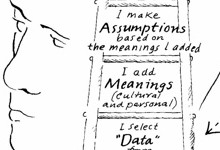
Is Your Communication SRC-proof?
Communication is not the message sent but the message received. But when the receiver reacts opposite to our expectations we tend to blame the receiver. You are right and they are wrong. There is a name for this game; it’s called “game over”.

Music and Leadership (part 2)
How can we un-learn management science and get back to the common-sense of teamwork? Switch-off all the rules, check-lists and scorecards we have been spoon-fed in our management education? A scenario for disaster you may think? Quite the opposite as I witnessed yesterday.

What about Chris Argyris?
A few weeks ago at work Danny pointed out that after more than two years of posting articles on this blog I have never mentioned Chris Argyris. Well … what can I say? Shame on me!
Prevent Survey Fatigue
During large programs it is very difficult to keep an eye on what is cooking inside the organization and how people’s perceptions of the upcoming change are evolving. But how do you prevent these surveys from missing their point – or worse: their audience?

Top-10 signs your employee survey needs to change
A great an interview with Curt Coffman on the pitfalls one can encounter when performing employee surveys.

Parenting as a Management Skill … Huh? (part 6)
Parenting is the ideal litmus test to see if your brilliant ideas as a leader will eventually survive. Goal setting is a great example. Parents know that goal setting only works when the goals are set as a result of a conversation.
Seagull Management
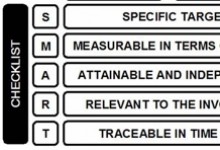
Chatting with Vera the other day on all sorts of management styles; we came across one she had never heard of before: Seagull Management.

Kicking yourself in the ‘BUT’
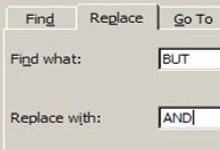
Thinking about how we use the word ‘but’ in our common conversations, this week I made a strange observation. ‘But’ is a blocker, a stopper, a false yes and most of all: a crusher of commitment.
Organizational Change Practioners on LinkedIn
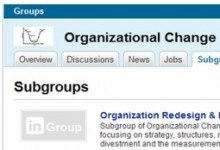
A few weeks ago LinkedIn allowed us to create subgroups within this group. Subgroups are like a break-out session at a conference. They enable you to create more focused areas than in the main group. This is what we did with Organizational Change Practitioners.
How to Apologize
When we make a mistake, most of us understand that we owe an apology. We know this because when we are hurt by a mistake made by someone else, we want that person to apologize to us.